

Time and again, new "groundbreaking" diet concepts circulate on the internet, giving people hope that they will finally achieve their desired weight. Ideally, without the yo-yo effect and without too many restrictions in everyday life.
While some people are happy and enjoy weight loss with these dietary changes long-term, for many others they are associated with one thing above all else: frustration, because the desired results simply do not materialise.
Not only that, but other people seem to be able to eat whatever they want without it affecting their weight. How can this be? Over decades, research teams from around the world have gradually come closer to finding an answer to this mystery.
Professor Joshua Lederberg took the first step on this journey in 2001. Almost 50 years earlier, he had already been awarded the Nobel Prize for his pioneering work in the field of bacterial research.
Shortly after the turn of the millennium, however, Professor Lederberg coined a term that would become a keyword for medical research in the 21st century: the word "microbiome".
He used this memorable term to describe the huge community of bacteria in our intestines. Until then, these bacteria had been largely ignored as a source of health or illness – something Lederberg was determined to change.
But at the time, he probably had no idea what impact his scientific findings could have on millions of people with weight problems.
The basis: How research over the last 20 years has shed light on the subject
Individual scientists had previously researched the topic and attempted to shed light on the importance of bacteria for various aspects of life.
However, from the 2000s onwards, researchers' interest grew rapidly, not least because the falling cost of whole genome sequencing (breaking down genetic material) made it possible to identify organisms from samples without having to cultivate them – which made a holistic approach possible in the first place.
This led to large-scale microbiome projects that researched the bacteria that colonise our intestines, such as the Human Microbiome Project (from 2007) and the American Gut Project (from 2012).

The composition of the microbiome of each person is as unique as a fingerprint. However, extensive research such as the ‘American Gut Project’ or the ‘Human Mirobiome Project’ showed that bifidobacteria and lactobacilli are among the most common and important representatives of a healthy microbiome.

Today, over 20,000 scientific papers on the subject are published each year. What these studies reveal is truly revolutionary:
the bacteria in our gut not only influence the gut itself, but our entire body!
Researchers discovered connections to other organs, to the brain, and even to mental illnesses. Within this sea of emerging knowledge, there were individual areas in which researchers suspected a particularly high potential for therapeutic options.
One of these areas was obesity, as it seemed particularly plausible that there could be a connection between the bacteria in the gut and digestion.
This raised the question: Could it also be due to a differently composed microbiome, i.e. which bacteria colonise our intestines, that some people practically never gain weight and others feel like they have a few extra pounds on their ribs just by looking at a piece of cake?
The groundbreaking findings of the researchers
This was the moment that former Harvard researcher and current University of California professor Peter J. Turnbaugh came into his own. Turnbaugh, then a doctoral student under Prof. Jeffrey I. Gordon, known as the "father of the microbiome," first studied the gut microbiome of human twins.
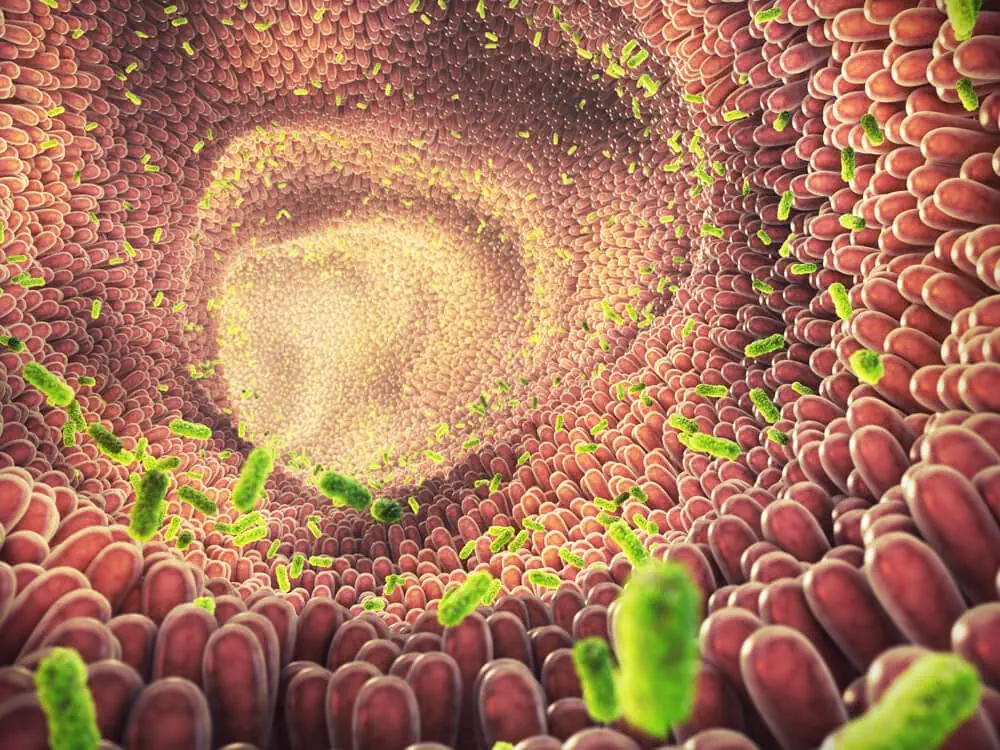
What was special about the study participants was that one twin was slim and the other was overweight.
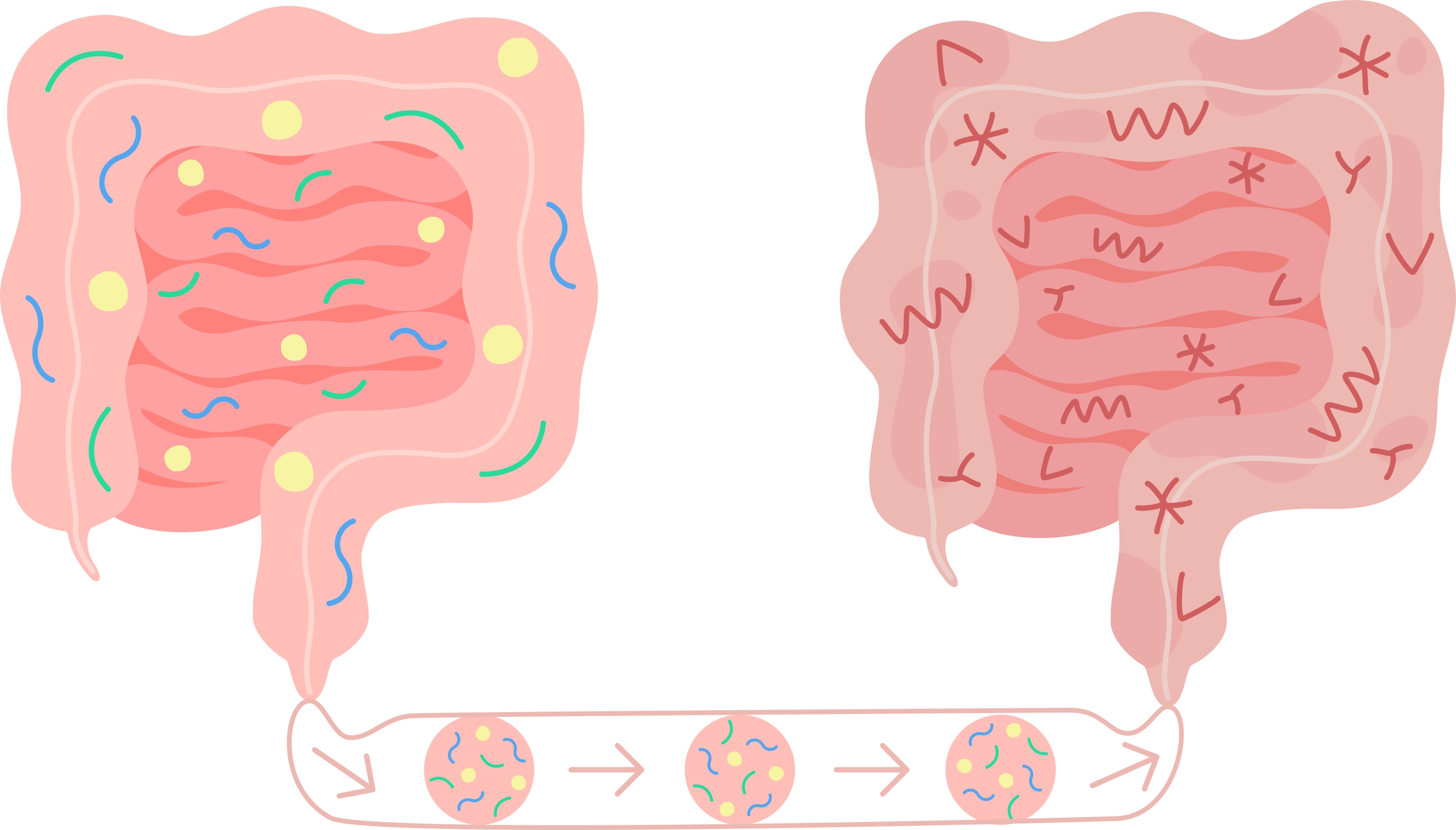
The study revealed that the overweight (unrelated) participants had similarities that even distinguished them from their own slim twins: the overweight participants had a significantly reduced diversity and altered composition of gut bacteria.
The finding: the microbiome, in particular a reduced diversity of gut bacteria, and obesity are linked!
But how could this finding be used to help overweight people?
Turnbaugh had an ingenious idea for the next step: to see whether an altered microbiome could actually lead to weight change, he started an experiment with mice. He divided the animals in his laboratory into two groups:
One group was implanted with the gut microbiome, i.e. the bacterial landscape from the intestines of lean mice, while the other group was implanted with that of overweight mice.
Turnbaugh then ensured that both groups received exactly the same food so that he could be sure that any weight change would not be related to diet.
The groundbreaking finding: the mice that had received the microbiome from overweight mice gained significantly more weight than the group that had received the microbiome from lean mice.
Jeremiah J. Faith of Washington University in St. Louis, where Turnbaugh had also worked, linked the two experiments: he adopted the idea of a study with human twins and, like Turnbaugh, sought out pairs of twins in which one twin was slim and the other overweight. He then took their microbiome and implanted it into mice.
One group of mice received the microbiome of the slim twin, while the other received that of the overweight twin. The result: the group of mice that received the microbiome of the overweight human twins gained significantly more weight than the group that received the microbiome of the slim twins.
But Turnbaugh's curiosity was not satisfied yet, and he conducted further studies. He was able to show that the microbiome also changed in mice that had undergone gastric bypass surgery; two bacterial genera in particular increased significantly: proteobacteria and verrucomicrobes.
When he then implanted this altered microbiome into mice that had not undergone gastric bypass surgery, they still lost a significant amount of weight – demonstrating that the altered bacterial environment actually contributed significantly to the weight loss of the mice studied.
A group led by Luoyi Zhu from Zhejiang University in China chose a different approach to demonstrate the influence of the microbiome on weight gain:
They fattened mice with a so-called HFD (high-fat diet). Some of the mice also received the microbiome of muscular (i.e. not overweight) wild boars.
The mice that received the "athletic" microbiome gained significantly less weight than those that did not receive it; the introduction of this microbiome had therefore helped them to gain less weight.
This shows that a transferred microbiome can influence how we process food and as a result, become or remain overweight – or not. But how was it actually possible for researchers to implant the different microbiomes into the mice in the first place?
How science is breaking new ground – and building on millennia-old knowledge
In order to carry out their studies, the researchers resorted to an ancient method: faecal transplantation. The aim is to provide the patient with the gut microbiome of another person.
The basic idea is that, as the above studies have shown, people who are prone to obesity have a reduced number and diversity of the "right" bacteria in their intestines. To alleviate the symptoms, the person must be provided with a microbiome in which the "right" bacteria are present in sufficient numbers.
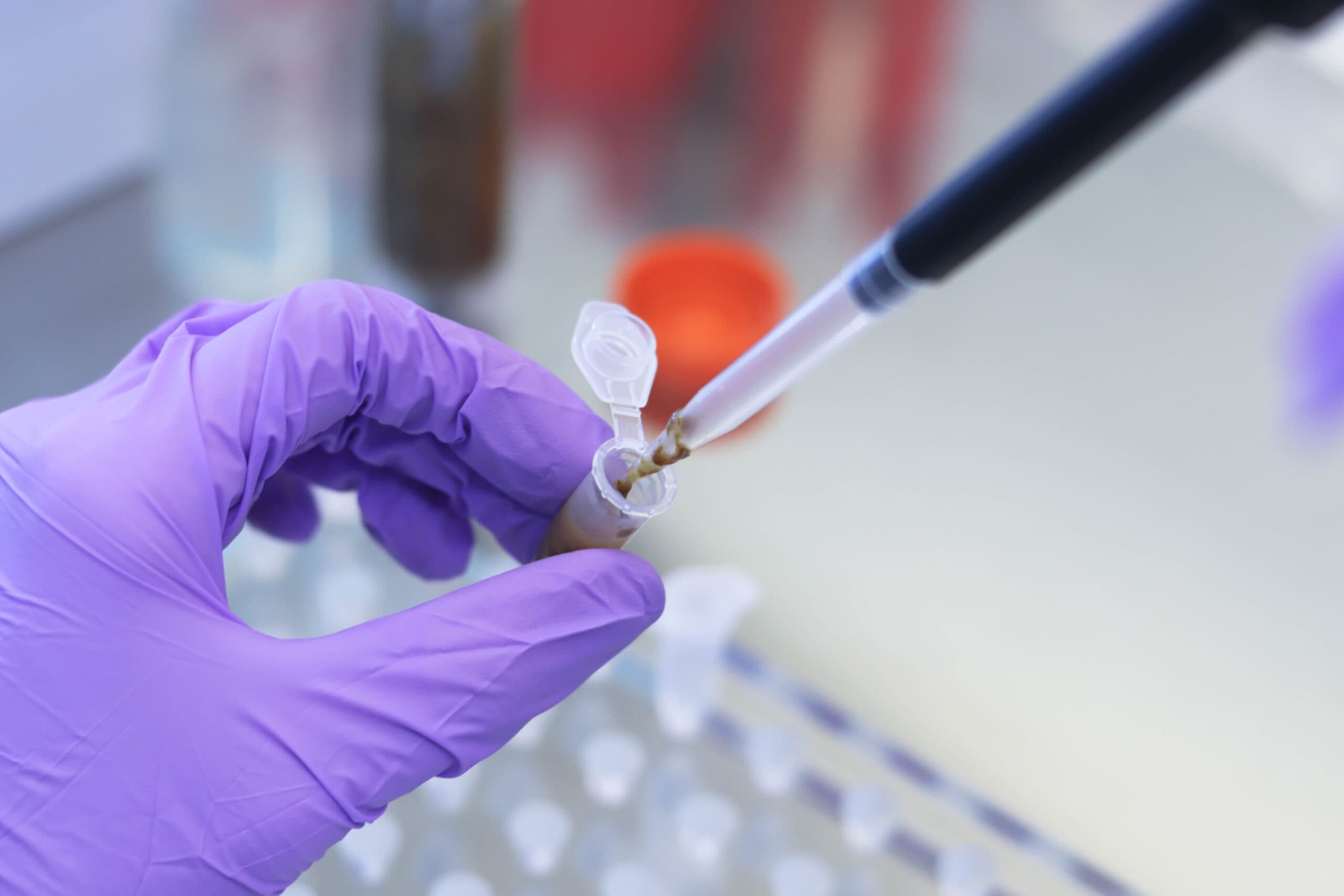
With this idea in mind, the scientists drew on knowledge that is thousands of years old. As early as the 4th century in China, doctors such as the famous Chinese physician Ge Hong used the intake of a healthy microbiome to treat various gastrointestinal complaints.
However, the administration was rather unappetising: Ge Hong treated patients by orally administering human faeces! Later, in the 16th century, this form of administration was described in somewhat more flowery terms as "yellow soup" or "golden syrup" – but it can still be assumed that taking it was a rather disgusting experience; in any case, it can certainly be seen as a precursor to faecal transplantation.
Today's stool transplants, also known as faecal microbiota transfer (FMT), are performed differently.
The procedure: a donor's stool is filtered, and digestive residues are removed. The living intestinal organisms are then administered to the recipient.
However, even today this is not a pleasant procedure, although it is no longer as disgusting as it used to be: nowadays, the transfer is carried out via a stomach or small intestine tube, a colonoscopy or special capsules, of which up to 30 must be taken in a single day – which is not necessarily appetising either.
The disadvantages of faecal transplantation – are there any alternatives?
Unfortunately, faecal transplantation is not without risks and, on top of that, is expensive due to the process described above.
Therefore, it is rarely the first-choice therapy – despite its benefits. The American FDA warns of the possible transmission of pathogens, diseases and multi-resistant germs from the donor to the recipient.
To reduce the risk, the search for a suitable donor is time-consuming due to the many preliminary examinations required; even then, however, the risk of harm can never be completely ruled out.
In addition, the process is unpleasant in any form of administration: whether as part of a colonoscopy, where an endoscope is inserted rectally into the intestine, or even as capsules.
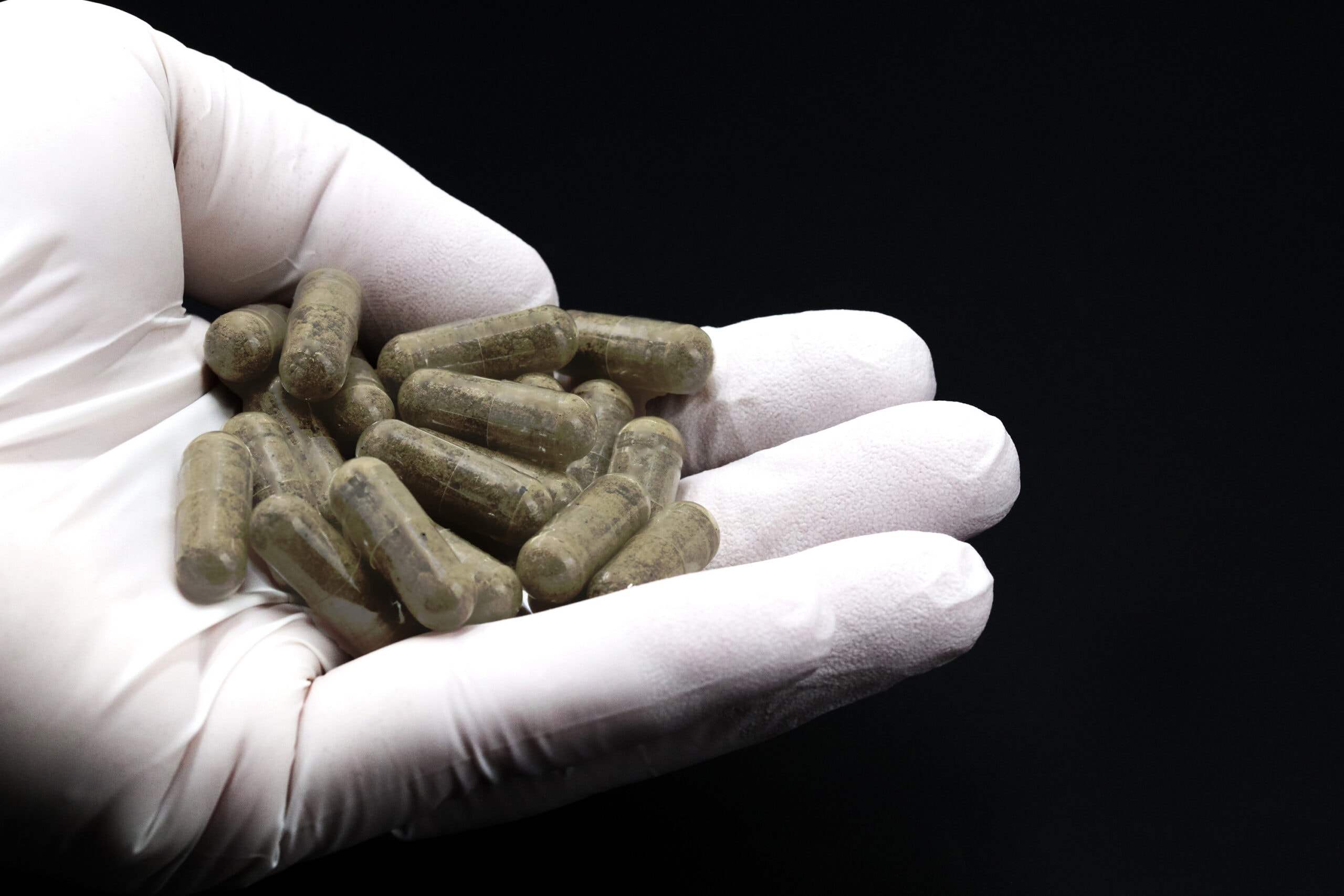
For this reason, faecal transplantation is not a common treatment option and is only used for very specific diseases as a so-called "individual therapeutic trial".
This prompted a team of researchers from the German company SYNformulas to take action. They asked themselves: if conventional stool transplantation, which is so widely applicable, is not suitable for many people due to specific disadvantages and risks, could a kind of "replicated" stool transplantation be created in which the intestinal bacteria are administered without the aforementioned disadvantages?
The idea: faecal transplantation without disadvantages – a 'replicated gut microbiome'
The idea wouldn't leave the researchers alone.
Their goal: to create a natural copy of the human gut microbiome, through which a "replicated microbiome" could be introduced using fewer capsules – without the risks associated with faecal transplantation and, finally, at a price that is affordable for many people.
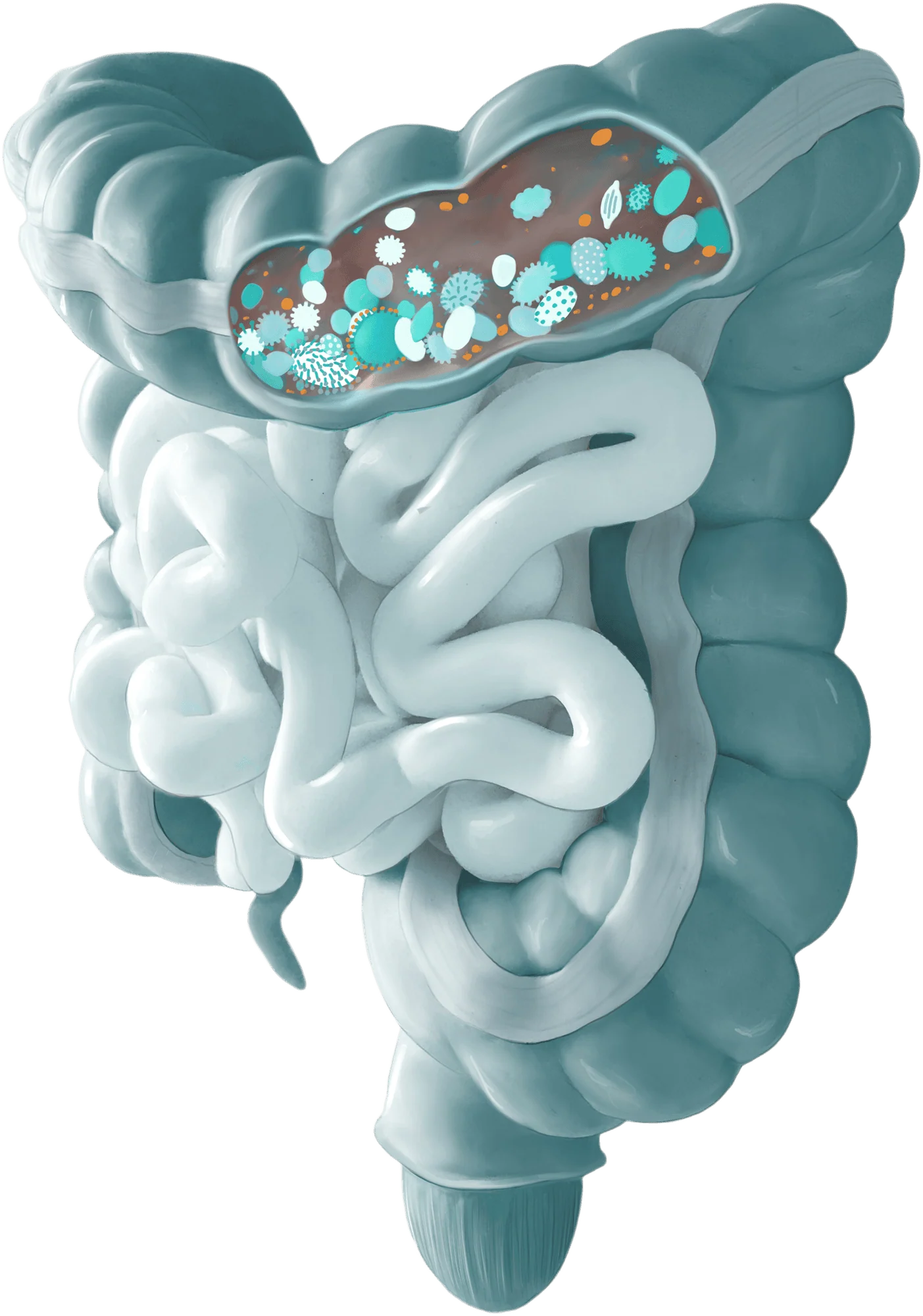
They were convinced that this must be possible and threw themselves into their research. After a thorough analysis of the studies available at that time, they came up with three groundbreaking hypotheses.
Diversity
The human gut is colonised by countless different microorganisms. There are more than 5, 10 or 20 different microculture strains – in fact, well over 50 species! However, most preparations on the market contain fewer than 10, often no more than 5 or 6 strains. Occasionally, however, there are microculture preparations with over 50 strains that attempt to imitate the entire diversity of the human microbiome.
Dosage
Many preparations on the market contain little more than a few hundred million viable bacteria, known as colony-forming units, per capsule. This may sound like a lot at first, but it is negligible compared to the number of bacteria in our gut.
As a rule of thumb for dosage, a supplement should contain at least 20 billion viable bacteria for daily intake.
Precise selection of bacteria
Not all bacteria are the same. Even closely related bacteria can have fundamentally different properties. Applied to humans, this would mean that, for example, brothers can differ greatly in their behaviour, even if they have partially identical genetic material.
This means that the selection of bacterial strains is of crucial importance. For example, it is not enough to simply choose a few lactobacilli or bifidobacteria – rather, the specific strain must be considered (e.g. Lactobacillus reuteri LR92).
Lederberg J, McCray A. Ome sweet 'omics: -- A genealogical treasury of words. The Scientist. 2001;15:8. https://www.the-scientist.com/commentary/ome-sweet-omics---a-genealogical-treasury-of-words-54889
https://source.wustl.edu/2017/03/the-father-of-the-microbiome/ (accessed on 15 September 2022)
Hua, X., Goedert, J. J., Pu, A., Yu, G., & Shi, J. (2015). Allergy associations with the adult faecal microbiota: Analysis of the American Gut Project. EBioMedicine, 3, 172–179. https://doi.org/10.1016/j.ebiom.2015.11.038
Turnbaugh, P., Ley, R., Mahowald, M. et al. An obesity-associated gut microbiome with increased capacity for energy harvest. Nature 444, 1027–1031 (2006). https://doi.org/10.1038/nature05414
Liou AP, Paziuk M, Luevano JM Jr, Machineni S, Turnbaugh PJ, Kaplan LM. Conserved shifts in the gut microbiota due to gastric bypass reduce host weight and adiposity. Sci Transl Med. 27 March 2013;5(178):178ra41. doi: 10.1126/scitranslmed.3005687. PMID: 23536013; PMCID: PMC3652229.
Faith, J. J., Rey, F. E., Cheng, J., Duncan, A. E., Kau, A. L., Griffin, N. W., Lombard, V., Henrissat, B., Bain, J. R., Muehlbauer, M. J., Ilkayeva, O., Semenkovich, C. F., Funai, K., Hayashi, D. K., Lyle, B. J., Martini, M. C., Ursell, L. K., Clemente, J. C., Van Treuren, W., Gordon, J. I., et al. (2013). Gut microbiota from twins discordant for obesity modulate metabolism in mice. Science (New York, N.Y.), 341(6150), 1241214. https://doi.org/10.1126/science.1241214
Martin, C. R., Osadchiy, V., Kalani, A., & Mayer, E. A. (2018). The Brain-Gut-Microbiome Axis. Cellular and molecular gastroenterology and hepatology, 6(2), 133–148. https://doi.org/10.1016/j.jcmgh.2018.04.003
Carabotti, M., Scirocco, A., Maselli, M. A., & Severi, C. (2015). The gut-brain axis: interactions between enteric microbiota, central and enteric nervous systems. Annals of gastroenterology, 28(2), 203–209.
https://news.harvard.edu/gazette/story/2013/03/major-weight-loss-tied-to-microbes/ (accessed on 15 September 2022)
https://www.science.org/doi/10.1126/science.1241214 (accessed on 15 September 2022)
Schütz, F., Figueiredo-Braga, M., Barata, P., & Cruz-Martins, N. (2021). Obesity and gut microbiome: review of potential role of probiotics. Porto biomedical journal, 6(1), e111. https://doi.org/10.1097/j.pbj.0000000000000111
Zhu, L., Fu, J., Xiao, X., Wang, F., Jin, M., Fang, W., Wang, Y., & Zong, X. (2022). Faecal microbiota transplantation-mediated jejunal microbiota changes halt high-fat diet-induced obesity in mice via retarding intestinal fat absorption. Microbial biotechnology, 15(1), 337–352. https://doi.org/10.1111/1751-7915.13951
University of East Anglia. "Faecal transplants reverse hallmarks of ageing." ScienceDaily. ScienceDaily, 4 May 2022. www.sciencedaily.com/releases/2022/05/220504082622.htm
https://www.fda.gov/safety/medical-product-safety-information/fecal-microbiota-transplantation-safety-alert-risk-serious-adverse-events-likely-due-transmission (accessed on 15 September 2022)
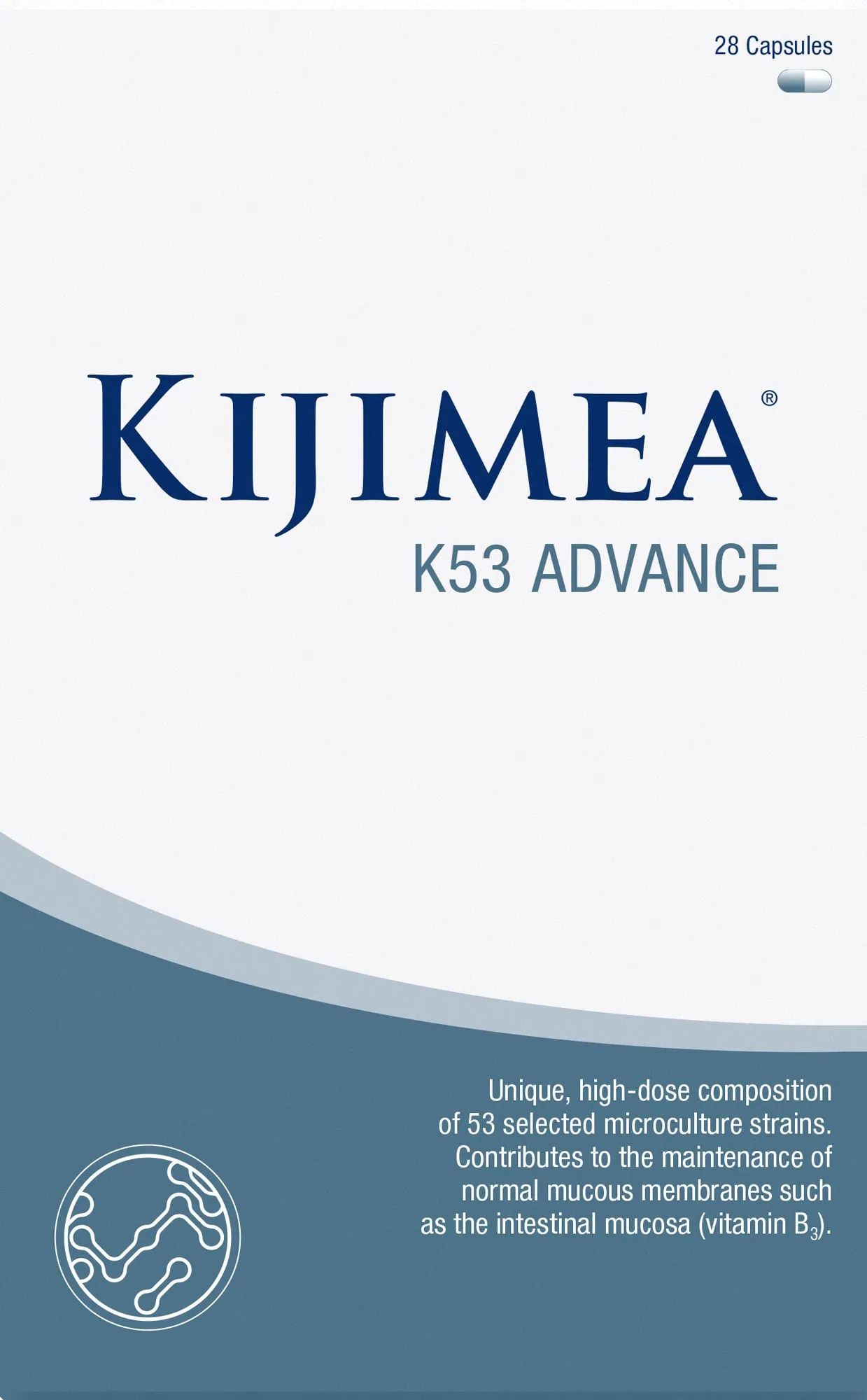
Kijimea K53 Advance – as unique as the intestine
For over 10 years, the manufacturer behind Kijimea, the German company SYNformulas, has been researching products in this field.
With publications in renowned journals such as The Lancet, which underline the high scientific standard of Kijimea, the brand has already gained great recognition.
Based on the sound study data on the microbiome, the brand's research team developed a novel product called Kijimea K53 Advance. This was to differ fundamentally from other microculture preparations in three dimensions:
High diversity: As its name suggests, Kijimea K53 Advance contains 53 different bacterial strains. This finally provided a product that attempts to mimic the diversity of the human microbiome.
Uniquely high dosage: Each Kijimea capsule contains a whopping 20 billion CFU – that means a month's supply contains 600 billion bacteria! This is equivalent to the number of bacteria contained in no less than 25 kg of standard yoghurt.
Carefully selected bacterial strains: Finally, the research team spent countless hours carefully selecting and composing the product. The result was a product with 53 specific strains that, in the eyes of the researchers, are optimally balanced and researched.
This carefully considered formulation has also been well received by consumers, as evidenced by the numerous enthusiastic customer reviews:

Andrew B.

'I'm thrilled with the positive change. I highly recommend it to everyone. From fast shipping to fast results, it's GREAT!'
Fiona G.
'I've been looking for a probiotic that is produced and packaged to the highest scientific standards for a long time. If you look into it a little, it quickly becomes clear that Kijimea simply has a different quality standard than others – I'm super satisfied!!!'
Joanne M.
'I've been taking the product for a few weeks now and I already feel much better. I've also given it to a friend.'
How should Kijimea K53 Advance be consumed?
Kijimea K53 Advance is designed for daily consumption.
By providing a regular and very high dose of a wide variety of different bacterial strains, the researchers wanted to create a simple routine that could be easily integrated into everyday life.
How to order Kijimea K53 Advance
The most convenient way to order is directly from the manufacturer at kijimea.co.uk. Customers also benefit from a money-back guarantee: the manufacturer is so confident in the quality of its products that it will refund the purchase price within the first 30 days to customers who, contrary to expectations, are not satisfied.
In addition, shipping is free on Kijimea.co.uk for purchases over £25.
Good to know: All Kijimea products are manufactured in Germany without the use of genetic engineering and are not tested on animals. Both the manufacturing process and the equipment used are certified according to the pharmaceutical grade standard GMP. In addition, each batch is tested in an independent laboratory before it goes on sale.
The information on this page does not constitute medical advice and should not be considered as such. Consult your doctor before changing your regular medical care. This product is not intended to diagnose, treat, cure or prevent any disease. The effect depends on individual factors. The images of those affected are based on real people whose names have been changed.